
Plants
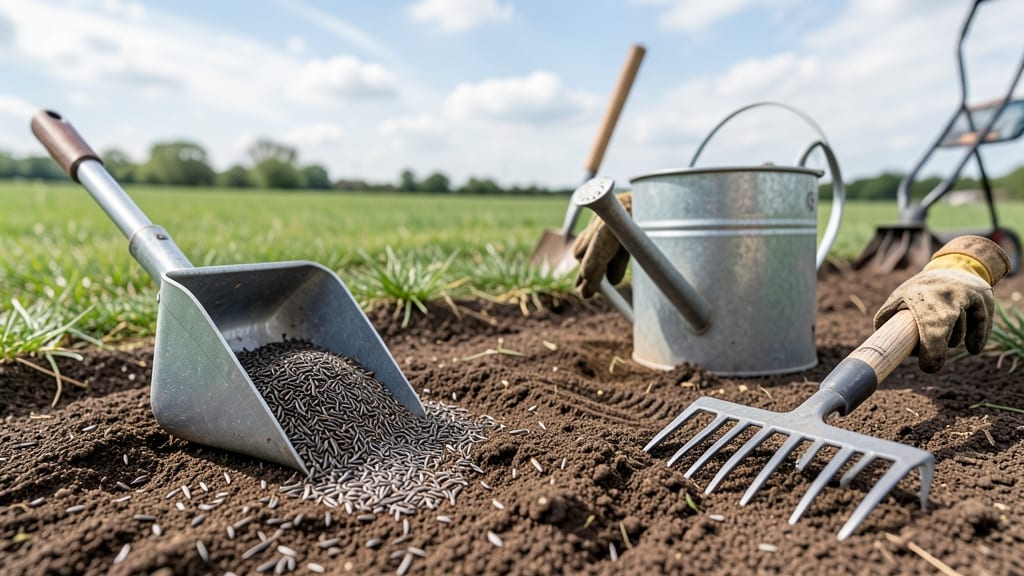
Timing your grass seed planting in spring can mean the difference between a lush, green lawn and patchy, weak growth—so knowing the exact week-by-week window for your region is critical.
With 🌱 grass needing consistent warmth and moisture to thrive, planting too early risks frost damage, while waiting too long lets weeds take over.
Most gardeners in USDA Zone 6a (like much of the Midwest) should aim for early to mid-spring, typically 4-6 weeks after the last frost date when soil temperatures hit 55-65°F.
But here’s the catch: your local weather patterns might shift that window by 2-3 weeks, depending on whether you’ve had an early warm spell or lingering cold snaps.
In this guide, I’ll break down the ideal planting weeks for your specific climate zone, plus how to adjust if Mother Nature throws curveballs. You’ll learn how to check soil readiness, avoid common timing mistakes, and give your new grass the best start possible.
Whether you’re seeding a new lawn or repairing bare patches, getting this timing right saves you time, money, and frustration down the road. Let’s make sure your spring planting pays off with a thick, vibrant lawn all season long.
Best spring weeks to plant grass seed by US climate Zone
Planting grass seed at the right time in spring ensures strong germination and a lush lawn. The ideal window depends on your USDA climate zone and last frost date.
Most regions target 4-6 weeks after frost when soil warms to 55-65°F. Let's break it down by zone to help you pinpoint the perfect week.
Northern zones (3-5) like Minnesota, New York, and Michigan have shorter growing seasons. Here, late April to mid-May is prime time. Southern zones (7-10) like Florida and Texas can plant as early as February, but avoid extreme heat.
Transition zones (6-6b) like Virginia and Missouri should aim for early April to early May.
🌱
| Zone | Best Planting Window | Soil Temp Threshold | Key Cue |
|---|---|---|---|
| 3-5 (Northern) | Weeks 3–5 after last frost (late April–mid-May) | 55–65°F | Daffodils blooming |
| 6-6b (Transition) | Early April–early May | 50–60°F | Daytime highs 65°F+ |
| 7-10 (Southern) | February–early April (avoid summer heat) | 60–70°F | No frost risk |
| All Zones | Avoid planting when nights dip below 40°F | N/A | Check 2-inch soil depth |
For Zone 5 (e.g., Chicago, Boston), aim for mid-April to early May. Use the 50/50 rule: when daytime highs hit 50°F and nighttime lows stay above 50°F, it's safe. In Zone 8 (e.g., Atlanta, San Diego), plant February–March to beat summer heat.
Pro tip: Check your local frost dates via the National Weather Service or Old Farmer's Almanac. Add 4-6 weeks to your last frost date for the safest window. For example, if frost ends April 1 in Zone 6, plant by May 1.
Soil temperature is just as critical as air temperature. Use a soil thermometer to confirm 55°F+ at 2-inch depth. Cool soil slows germination, while 70°F+ can cause seed to dry out. Test in morning shade for accuracy.
🌿
Microclimates matter! Shady spots or low areas may need a 2-week delay since they stay cooler. For example, a north-facing slope in Zone 6 might not be ready until late May, while a south-facing lawn could be planted by early April.
Observe your yard's sun exposure patterns for 3–5 days before planting.
Grass seed varieties also influence timing. Cool-season grasses (e.g., Kentucky bluegrass, fescue) thrive in spring planting, while warm-season grasses (e.g., Bermuda, Zoysia) should wait until late spring/early summer. Always check the seed packet for specific guidance.
💧
Once you've nailed the timing, prepare your soil by raking out debris, leveling low spots, and adding compost for nutrients. Lightly water the area 24 hours before planting to create a moist seedbed. This ensures consistent moisture during the critical first 2 weeks of growth.
Best spring weeks to plant grass seed by US climate Zone
Spring is the prime time to plant grass seed, but the exact window depends on your USDA climate zone and local frost patterns. Planting too early risks frost damage, while waiting too late gives weeds a head start.
Let’s break down the ideal weeks after last frost for each zone to maximize germination success.
In Northern Zones (3–5), aim for 4–6 weeks after the last frost date when soil temps hit 55–65°F. Southern Zones (6–8) can plant 2–4 weeks after frost since warmer soils speed up germination. Transition zones (like Zone 7) need flexibility—watch for consistent daytime highs above 60°F before planting.
| Zone | Best Planting Window | Soil Temp Threshold | Key Cue |
|---|---|---|---|
| 3–5 (North) | Weeks 4–6 after last frost | 55–65°F | Daytime highs consistently above 60°F |
| 6–7 (Transition) | Weeks 2–4 after last frost | 60–70°F | Soil workable without sticking |
| 8–10 (South) | Weeks 1–3 after last frost | 65–75°F | Weeds actively growing |
For Zone 5 gardeners (like me in Minnesota), I plant late April to early May after testing soil moisture—it’s the sweet spot between frost risk and weed competition. Use a soil thermometer to confirm temps are ideal; cool soils slow germination dramatically.
Pro tip: Cool-season grasses (Kentucky bluegrass, fescue) thrive in spring planting, while warm-season types (Bermuda, Zoysia) should wait until late spring/early summer. Always check your seed packet for variety-specific advice—some need earlier starts!
If your region has erratic spring weather, prioritize soil temperature over calendar dates. A late frost in May can wipe out new seedlings, so keep an eye on 10-day forecasts and have a backup plan (like a frost cloth) ready. 🌱