
Plants
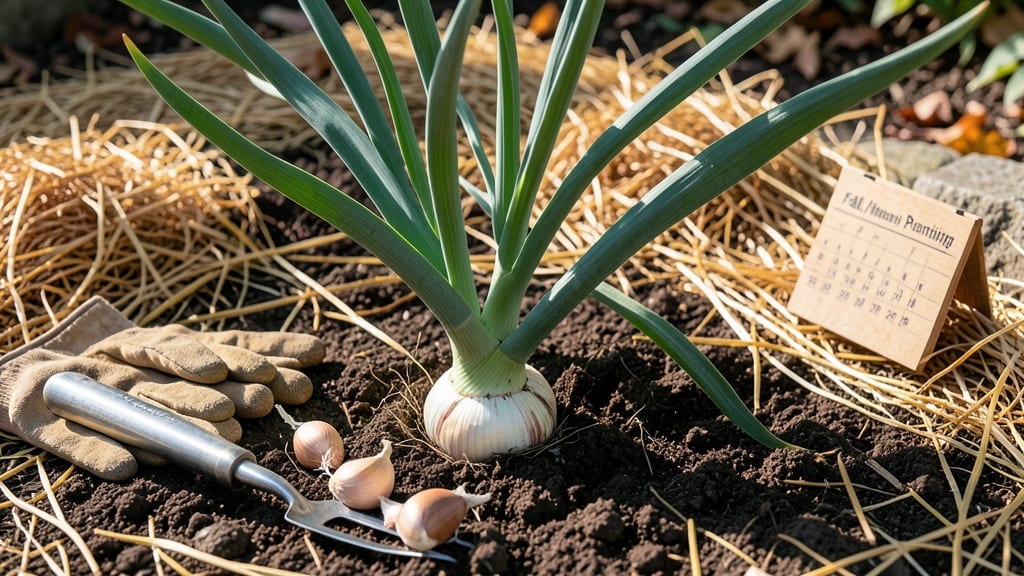
Planting garlic in Oregon at the wrong time can turn your dream harvest into a disappointing mess—especially if you end up with bolting cloves instead of plump bulbs. The October-November window is your golden ticket to zero-bolt, hardneck success, but Oregon’s microclimates (from coastal fog to inland dryness) demand precision.
If you’ve ever wondered why some gardeners swear by early October while others wait until December, it’s all about soil temperatures and frost timing. In USDA zones 7b-9a, planting too early means garlic sprouts before winter sets in, while waiting too long risks frost damage.
Let’s break down the exact timing and soil prep tricks to guarantee robust, flavorful harvests next summer.
You’ll also discover how to adjust for your specific corner of Oregon—whether you’re in Portland’s mild coastal zone or the drier inland valleys. With the right approach, you’ll avoid common pitfalls like poor drainage or uneven mulching that can ruin your crop before it even starts growing.
Ready to grow bold, reliable garlic? I’ll walk you through every step, from selecting the best hardneck varieties for your region to mulching strategies that protect your cloves through Oregon’s wet winters. Let’s get those bulbs in the ground the right way—once and for all.
Oregon’s ideal fall garlic planting window: month-by-month breakdown
Oregon’s maritime climate creates a 6-week window for planting garlic—critical for avoiding bolting (when garlic flowers prematurely). The sweet spot is mid-October to early November, when soil temps drop to 40-50°F and days grow shorter. This timing lets cloves establish roots before winter dormancy.
Coastal regions like Astoria can plant as late as mid-November due to milder winters, while inland areas like Bend should aim for late September to early October to beat early frosts. The Willamette Valley falls in between, with October 1-15 as ideal.
Here’s how to align your planting with Oregon’s microclimates and soil conditions for zero-bolt success:
| Region | Ideal Planting Window | Soil Temp Goal | Key Adjustment |
|---|---|---|---|
| Coastal (Astoria, Cannon Beach) | Mid-October – Mid-November | 45–50°F | Wait for first frost (usually late Nov) |
| Willamette Valley (Portland, Salem) | October 1–15 | 40–45°F | Plant 4–6 weeks before ground freezes |
| Inland (Bend, Redmond) | Late September – Early October | 40–42°F | Prioritize well-draining soil (avoid clay) |
| Eastern Oregon (La Grande, Pendleton) | Late September – Mid-October | 42–48°F | Use row covers for early frosts |
For hardneck varieties (the best for Oregon), aim to plant when daylight drops below 12 hours. This triggers bulb formation and prevents bolting. Use a soil thermometer to confirm temps—garlic roots need 40–50°F to establish before winter.
Pro tip: If you miss the fall window, spring planting (February–March) is possible but yields smaller bulbs and higher bolting risk. Stick to fall for maximum size and flavor.
Oregon’s wet winters mean mulching is non-negotiable. Apply 4–6 inches of straw after planting to insulate cloves and keep soil temps stable. This is especially critical in cooler inland zones where temps can dip below freezing.
Remember: The earlier you plant in fall, the larger your bulbs will grow. But don’t rush—soil must be cool enough to prevent sprouting before winter. Balance is key!
🌱
Oregon’s ideal fall garlic planting window: month-by-month breakdown
Oregon’s diverse microclimates mean your garlic planting window varies dramatically—from coastal Portland’s foggy delays to Eastern Oregon’s early freezes. The 40-50°F soil temperature sweet spot triggers root growth without encouraging premature sprouting. Aim to plant when daytime highs hover around 60°F and nights dip below 50°F consistently.
For most of Western Oregon (Willamette Valley, Coast Range), the ideal window stretches from mid-October to early November. This gives cloves time to establish roots before winter rains set in.
Inland areas like Bend or La Grande can push planting to late October or November due to colder nights.
Here’s your month-by-month breakdown for Oregon’s key regions, including soil temp targets and frost considerations:
| Region | Best Planting Window | Soil Temp Goal | Frost Risk | Key Adjustment |
|---|---|---|---|---|
| Coastal (Astoria, Cannon Beach) | Late October - November 15 | 45-50°F | Low (fog protection) | Wait for consistent 50°F nights |
| Willamette Valley (Portland, Eugene) | Mid-October - November 1 | 40-45°F | Moderate (Nov frost possible) | Mulch 2-3 inches thick after planting |
| Inland (Bend, La Grande) | Late October - November 10 | 40-48°F | High (early freezes) | Use black plastic mulch for warmth |
| Southern Oregon (Medford, Ashland) | Early October - November 5 | 45-50°F | Low (mild winters) | Plant earlier to avoid summer heat |
Pro tip: Use a soil thermometer to confirm temps—don’t guess! Coastal gardeners often wait until November 1 to avoid soggy soil, while inland areas can plant as late as November 15 if soil stays workable. The goal is to give roots 4-6 weeks of growth before winter dormancy.
Remember: Hardneck varieties (like ‘German White’ or ‘Chesnok Red’) need cold exposure to form bulbs, so don’t rush planting in milder zones. If you’re in Zone 9a (Southern Oregon), you can even plant as early as September 15—just monitor for bolting signs by spring.
Timing isn’t just about the calendar—it’s about soil conditions. Oregon’s winter rains can turn garden beds to mud, so wait until soil is cool but firm (not sticky) before planting. A simple squeeze test works: if soil crumbles when pressed, it’s ready.