
Plants
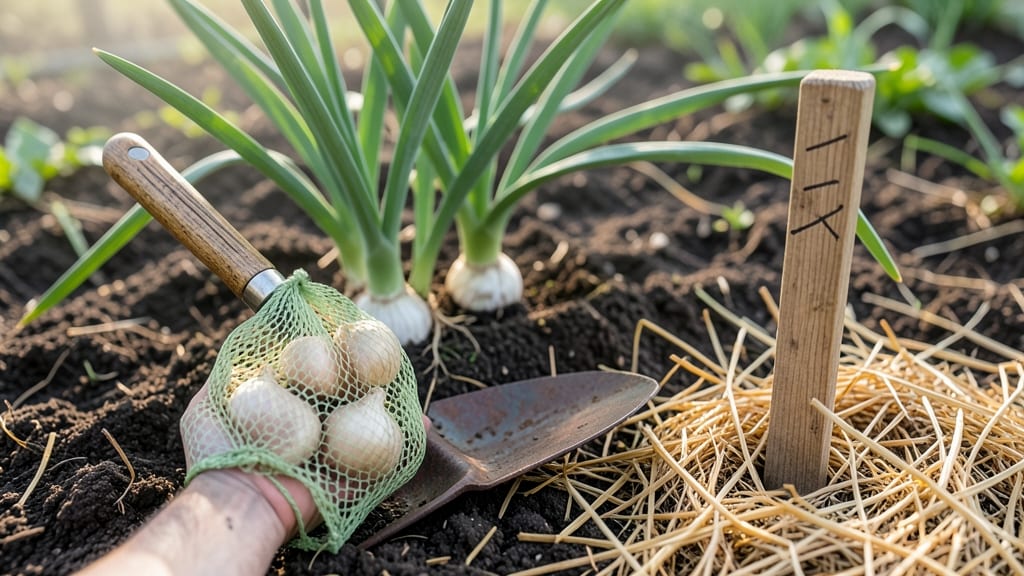
If you're planting garlic in Georgia, timing is the secret weapon between a bountiful harvest and a disappointing flop. The perfect window for planting 🧄 is narrow—miss it, and you risk bolting (those bitter, flower-stalked bulbs no one wants).
Most gardeners in zones 7b-8b wait too long, but I'll show you exactly when to plant for zero-bolt success.
Fall is your golden opportunity, but Georgia's mild winters mean deadlines matter. Planting too early exposes cloves to rot, while waiting too late risks frost damage.
The ideal time? Between October and November, when soil temps dip but stay workable. This timing lets roots establish before winter dormancy kicks in.
Why does this work? Georgia's climate gives us a unique advantage—our frost-free days stretch longer than northern states. By planting in fall, you're leveraging cooler temps to encourage bulb development without the stress of summer heat.
I'll walk you through the exact steps to prep soil, select cloves, and space them right for maximum yield.
Ready to grow garlic that's plump, flavorful, and ready by next spring? Let's dive into the actionable timeline that'll have your garden thriving—no bitter surprises included. You'll learn how to adjust for your specific region, avoid common pitfalls, and harvest at peak perfection.
Georgia's ideal garlic planting window: fall deadlines by region
Georgia's mild winters and humid climate create a unique challenge for garlic growers. Unlike northern states, we don't get the deep freeze that signals planting time. Instead, you must time your garlic 4-6 weeks before the first hard frost—typically mid-November across most of the state.
Miss this window, and you risk bolting (flowering prematurely) or poor bulb development.
The best time to plant garlic in Georgia falls between mid-October and early November. This 6-week window ensures cloves establish roots before winter dormancy. In North Georgia (Zone 7a), where winters are cooler, aim for the earlier end of this range.
Meanwhile, South Georgia (Zone 8b) gardeners can push planting slightly later into early November without risking frost damage.
Here's the critical timeline you must follow: Plant garlic 4-6 weeks before your area's average first frost date. For Atlanta (Zone 7b), this means planting between October 15 and November 1.
In Savannah (Zone 8a), you have until November 10 to get cloves in the ground safely.
Pro tip: Use your local Cooperative Extension Service frost date maps to pinpoint your exact planting window. Georgia's variable microclimates mean a 5-mile difference in elevation can shift your ideal planting date by 1-2 weeks. Don't guess—check your specific county data!
| Georgia Region | USDA Zone | Ideal Planting Window | Last Safe Planting Date | Key Consideration |
|---|---|---|---|---|
| North Georgia | 7a | Oct 15 - Nov 1 | Nov 15 | Cooler winters; plant earlier |
| Central Georgia | 7b-8a | Oct 20 - Nov 5 | Nov 10 | Moderate winters; flexible window |
| South Georgia | 8b | Oct 25 - Nov 10 | Nov 20 | Milder winters; extend planting |
📅 Plant garlic BEFORE these dates to avoid frost damage
Why is timing so critical in Georgia? Our warm winters can trick garlic into thinking spring has arrived, causing it to bolt prematurely. Bolting means your garlic will produce seed stalks instead of bulbs, ruining your harvest.
The 6-week window before frost ensures cloves establish roots but stay dormant through winter, preventing bolting.
For hardneck garlic varieties (like 'Music' or 'Chesnok Red'), which are best for northern Georgia, plant on the earlier side of the window. Softneck varieties (like 'Silverskin', popular in South Georgia) tolerate slightly later planting and warmer winters.
Choose your variety based on your specific zone and winter severity.
One common mistake Georgia gardeners make is waiting for cool nights to plant. While cooler temps help, the soil temperature is what truly matters. Aim for soil temps between 50-60°F at planting time.
Use a soil thermometer to check—if it's above 60°F, wait a few days or use shade cloth to cool the soil.
Remember: Garlic planted in spring in Georgia will almost certainly bolt. The fall-planted crop is your only reliable option for full-sized bulbs. If you miss the fall window, don't despair—just mark your calendar for next year and set reminders to plant before November 15 at the latest.
🌱 Ready to plant? Grab your cloves, check your frost date, and get them in the ground before time runs out!
Georgia's ideal garlic planting window: fall deadlines by region
Georgia's mild winters create a unique challenge for garlic growers—plant too early, and cloves rot in damp soil; too late, and frost halts growth. The ideal window spans October through November, but exact timing shifts 1-2 weeks north to south.
In North Georgia (Zone 7b), aim for mid-October to avoid early frosts, while Central Georgia (Zone 7b-8a) gardeners have until late October. Down south in Zone 8b, you can plant as late as early November without risking frost damage.
The key is soil temperature, not air temperature. Cloves need soil at 40-50°F to sprout but won't tolerate freezing. Use a soil thermometer to confirm—plant when temps consistently stay above 50°F during the day.
In North Georgia, this usually aligns with late October, while South Georgia can wait until mid-November. Pro tip: Check your local frost dates (typically mid-November in most areas) and plant 4-6 weeks before the first hard frost.
Why this timing? Fall planting lets garlic establish roots before winter dormancy, then bulb development kicks into gear in late winter. Georgia's mild winters mean less risk of freeze damage compared to northern states.
However, overwintering requires well-draining soil—clay-heavy areas need amendments like compost or sand to prevent rot. I've seen gardeners in Athens and Savannah struggle when they plant in September—the extra heat stresses cloves before roots form.
Georgia Garlic Planting Timeline by Region
| Region | USDA Zone | Ideal Planting Window | Soil Temp Goal | Last Chance Date |
|---|---|---|---|---|
| North Georgia | 7b | Mid-October | 40-50°F | Early November |
| Central Georgia | 7b-8a | Late October | 40-50°F | Mid-November |
| South Georgia | 8b | Early November | 40-50°F | Late November |
*Adjust 1 week earlier for high-altitude areas (e.g., Blue Ridge Mountains).
For zero-bolt success, choose hardneck varieties like 'Music' or 'Chesnok Red', which thrive in Georgia's climate. Softneck types (like 'Silverskin') can also work but may struggle with bolting if planted too late.
Always break apart bulbs into individual cloves, leaving the paper skin intact—this protects against rot. Plant the pointy end up, 2 inches deep, and 4-6 inches apart in rows 12 inches apart for easy harvesting.
After planting, mulch heavily with straw or leaves (3-4 inches) to insulate roots during winter. This prevents soil heaving and keeps temps stable. In North Georgia, mulch in late November; in South Georgia, wait until December.
Remove mulch in early spring (February) to let soil warm for regrowth. I've found that well-mulched beds produce 30% larger bulbs by harvest time—worth the extra effort!
Miss the fall window? You can try spring planting, but results are hit-or-miss in Georgia's heat. If you plant in February, expect bolting by April—use shade cloth to delay flowering if you're determined.
For best flavor and size, stick to fall planting and enjoy your harvest next April-May. With the right timing, your garlic will be plump, sweet, and ready just as summer cooking season begins.