
Plants
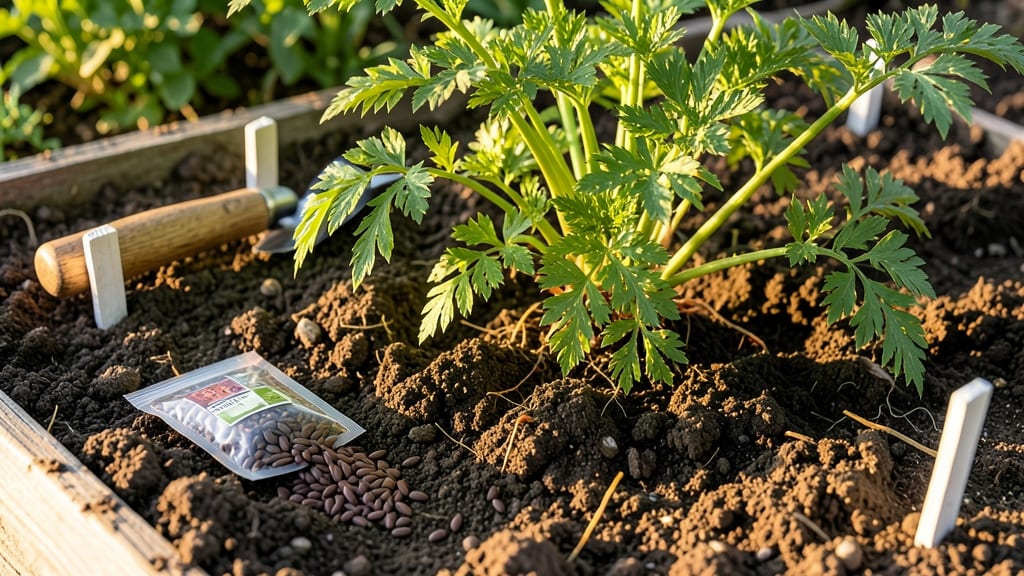
Planting carrots in Georgia at the wrong time can mean the difference between sweet, crisp 🥕 harvests and bitter disappointment. With our mild winters and long summers, timing your carrot plantings correctly is the key to avoiding bolting or stunted growth.
Georgia gardeners have two prime windows for success: early spring and late summer. Planting too early risks frost damage, while waiting too late can lead to heat stress. I’ll break down the exact months that work best for your USDA 7b-8b zone and how to adjust for your local microclimate.
Whether you’re a seasoned gardener or just starting, knowing when to sow seeds directly or transplant seedlings makes all the difference. Let’s dive into the best planting schedule to ensure your carrots thrive from mid-February through early November.
You’ll also discover how to extend your harvest with staggered plantings and avoid common mistakes that ruin carrot crops. Ready to grow perfect 🥕 roots all season long?
Best planting times for carrots in Georgia: fall vs spring guide
Georgia’s USDA Zones 7b-8b create a unique opportunity to grow carrots in both spring and fall, avoiding the extreme heat of summer. The key is planting when soil temperatures stay between 50°F and 80°F—too hot, and seeds bolt; too cold, and germination slows.
Let’s break down the optimal planting windows for your region.
For spring carrots, aim to sow seeds 6-8 weeks before your last frost date (typically mid-February to early April). This gives roots time to mature before summer heat arrives.
In contrast, fall carrots should go in the ground 8-10 weeks before your first frost (usually late July to early September) to harvest before winter sets in.
Here’s how Georgia’s microclimates affect timing: Coastal areas (like Savannah) can plant slightly earlier due to milder winters, while inland regions (like Athens) may need to adjust for hotter summers. Always check your local frost dates—they can vary by 1-2 weeks each year.
| Season | Planting Window | Soil Temp | Key Risks | Harvest Time |
|---|---|---|---|---|
| Spring | Mid-February to early April | 50°F–65°F | Bolting if too warm | May–June |
| Fall | Late July to early September | 60°F–75°F | Pests in late summer | October–November |
One common mistake Georgia gardeners make is planting too late in spring—by May, soil temperatures often exceed 80°F, causing seeds to bolt (flower prematurely) instead of forming roots.
To avoid this, use shade cloth or plant heat-tolerant varieties like ‘Danvers Half Long’ if you must extend your spring window.
For fall plantings, focus on late July or early August to give carrots enough time to mature before first frost (usually mid-November). If you’re in North Georgia (higher elevations), push plantings to late August to account for earlier frosts.
Always test soil moisture—dry spells in September can stress young plants.
Pro tip: Use a soil thermometer to confirm temperatures before planting. Carrot seeds need consistent moisture to germinate, so water lightly every 2-3 days until sprouts appear (about 10-14 days). Once seedlings emerge, thin to 2-3 inches apart to prevent overcrowding and forking.
If you’re new to Georgia gardening, start with short-day varieties like ‘Nantes’ for spring and ‘Chantenay’ for fall—they’re more forgiving of temperature fluctuations. For urban gardeners, container-growing works well, but ensure pots have drainage holes and use a lightweight potting mix to prevent forking.
Remember: Succession planting every 2 weeks in spring and fall can stretch your harvest for months. Just avoid planting when daytime temps exceed 85°F—carrots hate the heat! With the right timing, you’ll enjoy crisp, sweet roots from spring through winter.
Best planting times for carrots in Georgia: fall vs spring guide
Georgia’s mild winters and hot summers create two prime windows for growing crisp, sweet carrots. The key is planting when soil temperatures stay between 50°F and 85°F—any hotter, and your carrots bolt; any colder, and germination slows.
For most of Georgia (Zones 7b-8b), this means focusing on early spring and late summer plantings.
Spring is your best bet for a harvest in May-June, while fall plantings yield roots by October-November. The difference? Spring carrots benefit from cooler soil, while fall varieties mature before winter chill sets in.
Let’s break down the exact timing for each season to avoid common pitfalls like forked roots or bolting.
| Season | Planting Window | Soil Temp | Harvest Window | Key Tip |
|---|---|---|---|---|
| Spring | Mid-February to early April | 50°F–65°F | May–June | Use row covers if frost threatens. |
| Fall | Late July to early September | 60°F–85°F | October–November | Choose short-day varieties like ‘Nantes’. |
For spring plantings, start seeds indoors in late January to get a jump on the season. Transplant seedlings outdoors once soil temperatures hit 50°F—typically by mid-February in northern Georgia and early February in southern regions.
If you’re direct-sowing, wait until March when the ground is workable and frost risk drops. Bolting is the biggest threat in spring, so avoid planting too early when days lengthen.
Fall plantings require more precision. Aim to sow seeds by late July so carrots mature before first frost (mid-November). In hotter areas like Zone 8b, you can push plantings into early September, but monitor soil moisture—drought stress causes bitter roots.
Use shade cloth if summer temps exceed 90°F to prevent bolting.
Pro tip: Test your soil’s pH (6.0–7.0) before planting. Georgia’s clay-heavy soils often need compost or sand to prevent forked carrots. Amend beds with aged manure or a 5-10-10 fertilizer at planting time for steady growth. Mulch with straw to retain moisture and suppress weeds—critical in Georgia’s humid summers.
Remember, Georgia’s microclimates vary. Urban areas like Atlanta may frost later than rural spots, so adjust your schedule by 1–2 weeks based on local frost dates.
For a foolproof harvest, pair spring and fall plantings with successive sowings every 2 weeks—this extends your carrot season from May through November.