Plants
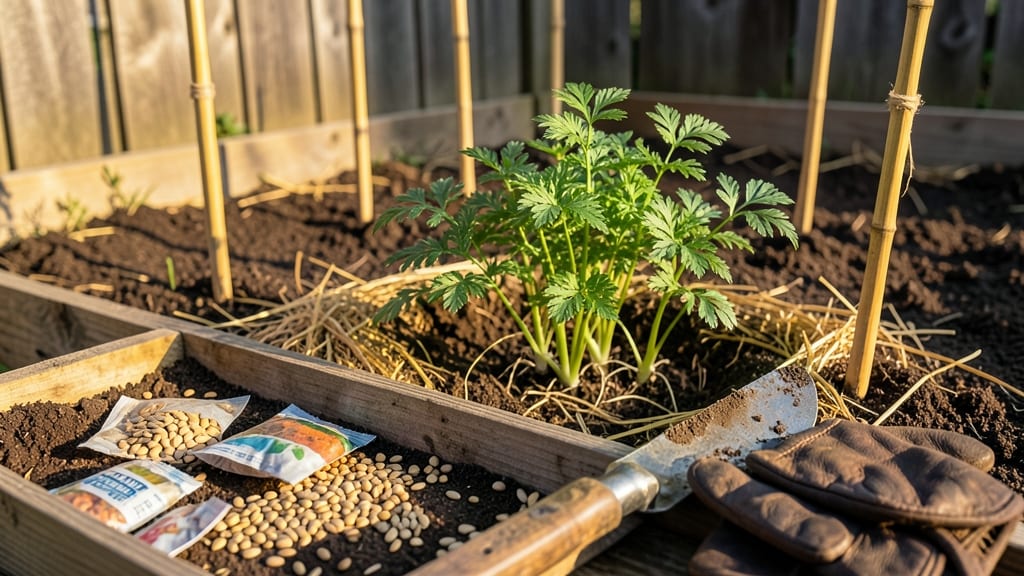
Planting carrots in Florida isn’t just about grabbing seeds and sticking them in the dirt—it’s about working with the state’s unique climate to avoid bitter, woody roots or bolting plants. Unlike northern gardens, Florida’s warm winters and long growing season mean you’ve got two prime windows to grow sweet, crisp 🥕 instead of struggling with summer heat.
Most gardeners in USDA zones 9a-10b know the secret: cooler weather between September and November or February and March gives carrots the ideal conditions to thrive. But timing isn’t the only trick—soil prep, shade strategies, and even seed variety matter just as much to keep your harvest bountiful.
If you’ve ever planted carrots in Florida only to watch them bolt before reaching full size, you’re not alone. The key to success lies in understanding how to beat the heat while maximizing your garden’s potential.
I’ll walk you through the exact steps—from soil prep to succession planting—to ensure you’re harvesting perfectly sized roots all season long.
Ready to grow carrots that actually taste sweet and store well? Let’s dive into the best planting schedule, soil tips, and variety choices tailored for Florida’s climate—so you can enjoy homegrown 🥕 without the frustration.
Best planting windows for carrots in Florida’s climate zones
Florida’s warm winters and humid summers create unique challenges for growing carrots. Unlike northern states, we don’t have to worry about frost, but heat and humidity can cause bolting or poor root development.
The key is planting during cooler months when soil temperatures stay below 75°F—typically September through November and February through March.
Florida’s climate varies dramatically from North to South. North Florida (Zones 8a-9a) has slightly cooler winters, while South Florida (Zones 10a-10b) stays warm year-round. Even a few degrees difference affects planting success.
For example, Jacksonville gardeners can start seeds in late August, while Miami gardeners should wait until October to avoid heat stress.
Soil temperature is more critical than air temperature for carrots. Use a soil thermometer to confirm conditions—ideal planting soil should be between 60°F and 70°F. In Florida, this usually aligns with early fall and late winter.
Planting too early in summer risks bolting (premature flowering), while planting too late in spring may lead to stunted growth from residual summer heat.
Here’s how Florida’s three main regions differ in timing and care:
| Region | Best Planting Months | Soil Temp Goal | Key Consideration |
|---|---|---|---|
| North Florida (Zones 8a-9a) | Late August–November, February–March | 60°F–70°F | Cooler winters allow earlier fall planting; watch for light frosts in January. |
| Central Florida (Zones 9a-9b) | September–November, January–February | 65°F–72°F | Humidity spikes in summer; avoid planting before September. |
| South Florida (Zones 10a-10b) | October–November, February–March | 70°F–75°F | Year-round warmth; focus on shade and irrigation to prevent bolting. |
For North Florida, I recommend starting seeds in late August for a fall harvest. By October, soil temperatures drop enough to support root development, and you’ll have carrots ready by December. In Central Florida, wait until September 15th to avoid the dog days of summer.
South Florida gardeners should plant in October for winter harvests, as earlier plantings risk bolting from residual summer heat.
Succession planting is a game-changer in Florida. Instead of one big planting, sow seeds every 2–3 weeks during your region’s ideal window. This ensures a continuous harvest and reduces the risk of bolting from fluctuating temperatures.
For example, if you plant September 1st, follow up with September 15th and October 1st sowings to stretch your harvest through January.
Another Florida-specific tip: Raise beds or use container gardens to improve drainage and control soil temperature. Carrots hate soggy soil, and Florida’s heavy clay can cause forked roots. Mix in compost or coconut coir to lighten the soil before planting.
I’ve had the best success with raised beds in partial shade during peak summer months, even if I’m not planting then.
Watch for carrot rust fly, a common pest in Florida. These flies lay eggs near carrot seedlings, and their larvae damage roots. Use row covers or diatomaceous earth to protect seedlings, especially in spring and fall when flies are most active.
I’ve also had luck with interplanting carrots with onions or leeks, as their strong scent deters pests.
Finally, don’t forget that Florida’s humidity can lead to fungal diseases like leaf blight. Space plants 2–3 inches apart for airflow and water at the base (not overhead) to keep foliage dry. A little mulch around plants helps too—it retains moisture and regulates soil temperature.
Best planting windows for carrots in Florida’s climate zones
Florida’s unique climate—with its warm winters and long growing season—means you can grow carrots in two distinct windows instead of just one. Unlike northern states, you won’t have to worry about frost, but you’ll still need to time your plantings to avoid bolting (premature flowering) or stunted growth.
The ideal soil temperature for carrot germination is between 55°F and 85°F, but roots develop best when daytime temps stay below 75°F.
For most of Florida—especially USDA zones 9a-10b—the primary planting window is from late August through November, with a secondary window from February through March. This schedule aligns with Florida’s cooler, drier seasons, when carrots can focus energy on root development rather than leafy top growth.
In South Florida (zone 10b), you can even extend planting into early December if you provide shade during peak afternoon heat.
Here’s the breakdown by Florida region to maximize your harvest:
| Region | Best Planting Months | Soil Temp Goal | Harvest Window | Key Tip |
|---|---|---|---|---|
| North Florida (9a) | Late August–November, February–March | 55°F–70°F | October–January, April–May | Use black plastic mulch to warm soil in spring. |
| Central Florida (9b) | September–November, January–March | 60°F–75°F | November–January, March–May | Plant shade cloth (30%) in late spring to prevent bolting. |
| South Florida (10a–10b) | August–December, February–April | 65°F–80°F | September–January, April–June | Prioritize succession planting every 2 weeks for continuous harvests. |
In North Florida (zone 9a), where nights can dip into the 50s°F, aim for late August plantings to give roots time to mature before cooler weather sets in.
Meanwhile, South Florida (zone 10b) gardeners can stretch their season later into the year, but they must monitor soil moisture closely—drought stress can cause carrots to fork or become woody. The key is to plant when daytime highs stay below 80°F and nights remain above 60°F.
For year-round production, consider succession planting every 2–3 weeks during your primary windows. This ensures a steady supply of fresh 🥕 without overwhelming your garden at once.
Pair this with drip irrigation to maintain even moisture, which is critical for preventing forked or misshapen roots—a common issue in Florida’s sandy soils.
Pro tip: Test your soil’s pH before planting—carrots thrive in slightly acidic to neutral soil (pH 6.0–7.0). If your soil is too alkaline, amend it with peat moss or sulfur to improve root development.
With the right timing and soil prep, you’ll be harvesting sweet, crisp carrots in just 70 days—no bitter aftertaste required!