
Companion Plants
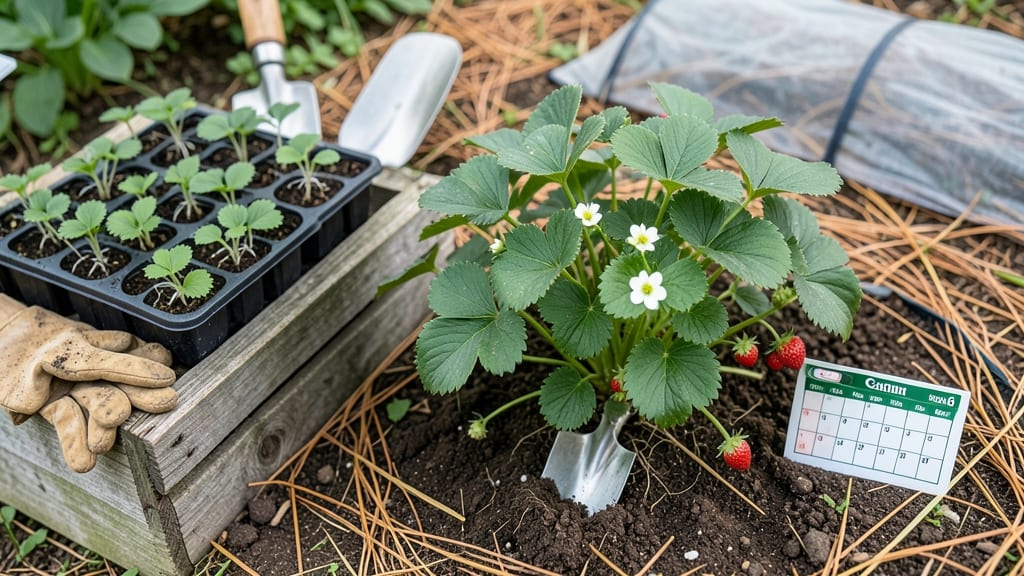
If you're wondering when to plant strawberries in Zone 6, timing is the difference between a bountiful harvest and wasted effort. These sweet 🍓 berries need just the right conditions to thrive, and getting it wrong can mean struggling plants or no fruit at all.
Zone 6 gardeners face a tricky balance—plant too early, and frost can damage tender roots. Too late, and your strawberries might not establish strong roots before summer heat sets in. The key is knowing exactly when soil temperatures and frost dates align for perfect planting windows.
In this guide, I’ll break down the ideal months for planting strawberries in Zone 6, whether you’re working with June-bearing, everbearing, or day-neutral varieties. You’ll also discover how to prep your soil, adjust for early or late planting, and keep your plants healthy once they’re in the ground.
Let’s get your strawberry patch off to the best possible start—because the right timing makes all the difference in your harvest success.
Zone 6 strawberry planting timeline: frost-dates and optimal months
In Zone 6, strawberries need precise timing to thrive—plant too early and they’ll suffer from late frosts, while planting too late risks stunted growth before winter. The sweet spot? A 4-6 week window when soil temperatures hit 40-50°F and frost danger has passed.
For most of Zone 6, this means late April to early May for spring planting, with a secondary window in late August to early September for fall varieties.
Your local last frost date (typically April 15-May 1 in Zone 6) is your anchor. Wait until 2-3 weeks after this date to plant, ensuring roots establish before summer heat arrives.
For example, if your last frost is April 20, aim for May 5-10 to balance frost risk and soil warmth.
Soil temperature is critical—strawberries struggle in cold, wet soil. Use a soil thermometer ($10 at garden centers) to confirm 40°F+ at 4" depth. In cooler Zone 6 microclimates (e.g., higher elevations), extend your window to mid-May to avoid frost damage.
Fall planting is ideal for everbearing and day-neutral varieties, giving roots time to establish before winter. Plant 6-8 weeks before first frost (usually September 15-October 1 in Zone 6). This lets plants grow but avoids late-summer heat stress.
Pro tip: Use row covers or cold frames to extend your spring window by 2-3 weeks. These protect young plants from 28°F+ frosts while allowing sunlight to warm the soil.
| Planting Window | Soil Temp | Frost Risk | Best For |
|---|---|---|---|
| Late April - Early May | 40-50°F | Low (post-last frost) | June-bearing, everbearing |
| Mid-May (cooler microclimates) | 50-55°F | None | All varieties |
| Late August - Early Sept | 50-60°F | None (pre-first frost) | Everbearing, day-neutral |
| September 15-October 1 | 45-55°F | Low (winter protection) | All fall varieties |
Prepare your soil 4-6 weeks before planting. Strawberries crave well-draining, slightly acidic soil (pH 5.5-6.8). Work in 2-3 inches of compost and a balanced fertilizer (10-10-10) to jumpstart growth. Avoid fresh manure—it can burn roots and attract pests.
For container gardening in Zone 6, plant 2-3 weeks earlier than ground planting. Pots warm up faster, giving you a head start. Use hanging baskets or deep containers (12"+) with drainage holes, and keep them in a sheltered spot if nights are still chilly.
After planting, mulch with straw or shredded leaves to retain moisture and suppress weeds. This is especially critical in Zone 6’s hot summers, where soil can dry out quickly. Keep mulch 2-3 inches thick but avoid piling it against stems to prevent rot.
Monitor your plants closely after transplanting. If a late frost hits (unlikely but possible in Zone 6’s April), cover them with frost cloth at dusk. Remove it by 10 AM to prevent overheating. Most strawberries bounce back if roots aren’t frozen solid.
Zone 6 strawberry planting timeline: frost-dates and optimal months
In Zone 6, strawberries need precise timing to avoid frost damage or heat stress. The ideal planting window typically spans 4-6 weeks before your average last frost date, which usually falls between April 15 and May 15 depending on your exact location.
For most of Zone 6, this means late March to early May is your best bet for spring planting.
Fall planting is also an option in Zone 6, but it requires careful planning. Aim to plant 6-8 weeks before your first frost, usually between August 1 and September 15.
This gives plants time to establish roots before winter dormancy. However, fall-planted strawberries may not produce fruit until the following year.
Soil temperature is just as critical as air temperature. Strawberries thrive when soil reaches 40-50°F—warmer than air temps alone suggest. Use a soil thermometer to confirm readiness before planting. Cold soil can stunt root growth, while soil that’s too warm may stress young plants.
📅 Zone 6 Strawberry Planting Timeline
| Season | Ideal Planting Window | Soil Temp Requirement | Key Considerations |
|---|---|---|---|
| Spring | Late March - Early May | 40-50°F (4-10°C) | Avoid frost dates; mulch for warmth |
| Fall | August 1 - September 15 | 50-60°F (10-15°C) | Plants may fruit next year; protect from early frost |
⚠️ Pro Tip: Check your local USDA frost dates for precise timing—even a few miles can shift your window by weeks.
For June-bearing varieties, which produce one large crop, spring planting is ideal. These varieties need cool soil and air temps to establish roots before summer heat arrives. Everbearing and day-neutral varieties, however, are more flexible and can tolerate slightly later plantings if soil conditions are right.
If you’re unsure about your exact frost dates, err on the side of caution. Planting 2-3 weeks later than ideal is better than risking frost damage to tender roots. You can always use row covers or cold frames to extend your planting window if needed.
Once you’ve planted, monitor your strawberries closely. The first few weeks are critical for root establishment. Keep soil consistently moist but not waterlogged, and watch for signs of stress like yellowing leaves or stunted growth—these often indicate planting was too early or late.
With the right timing, your Zone 6 strawberries will reward you with sweet, juicy berries all season long. And remember: a little preparation now means fewer headaches later! 🍓