
Plants
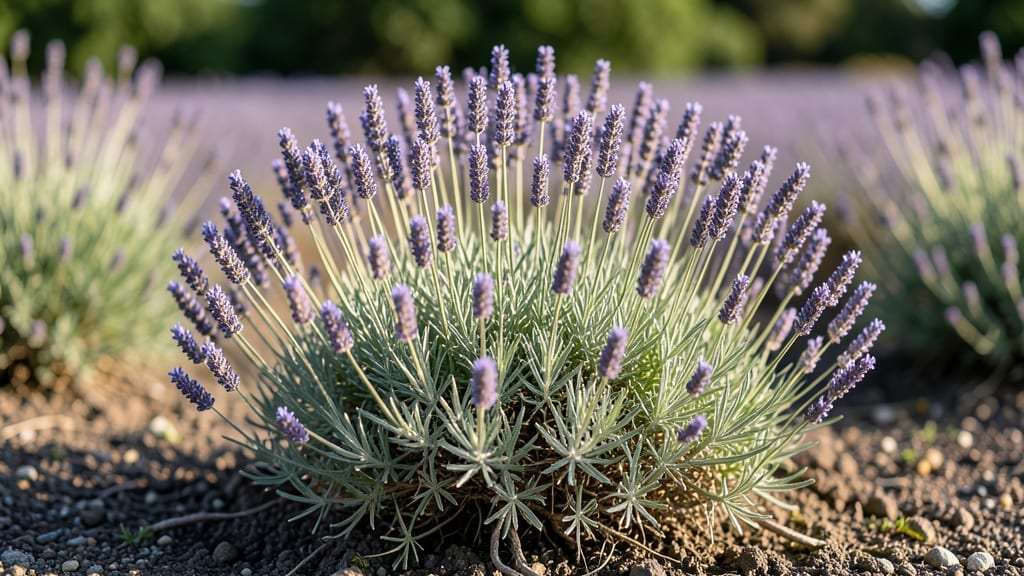
Wondering how tall does a lavender plant grow before it reaches its full potential? The answer might surprise you—because this fragrant 🌿 herb can range from a compact 1-foot shrub to a towering 4-foot beauty, depending on the variety and care you provide.
If you're planning your garden layout, knowing these height differences is key.
Compact lavender varieties like 'Hidcote' stay neatly under 2 feet, perfect for borders or container gardens, while standard types like 'English Lavender' can stretch up to 4 feet, making them ideal for hedges or backdrop plants.
The secret to controlling lavender height lies in proper spacing and pruning. Planting them 18-24 inches apart gives them room to grow without crowding, while strategic trimming after flowering keeps them from getting leggy.
In USDA Zone 6a, where spring planting is ideal, these habits ensure your lavender thrives at the perfect height for your design.
Ready to transform your space with fragrant blooms? Let’s break down the exact heights by variety and how to maintain them—so you can choose the perfect lavender for your garden’s vision.


Lavender plant height by popular variety: compact vs. tall options
When planning your lavender garden, one of the first questions I ask is: how tall does a lavender plant grow? The answer varies dramatically depending on the variety, with some staying as short as 12 inches while others reach towering 5 feet.
Choosing the right type ensures your space planning aligns with your vision—whether you want a low border or a fragrant hedge.
Lavender varieties fall into three main height categories: dwarf (under 12 inches), semi-dwarf (18-24 inches), and standard (3-5 feet). Each serves different purposes in garden design, from container gardens to formal hedges.
Let’s explore the most popular types and their mature heights to help you make an informed choice.
🌱 Visual Guide: Below is a comparison of lavender varieties by height, including their growth habits and best uses in your garden.
| Variety | Mature Height | Growth Habit | Best For |
|---|---|---|---|
| Dwarf Lavender ('Lavandula angustifolia') | 12–18 inches | Compact, bushy | Containers, rock gardens, borders |
| 'Hidcote' (English Lavender) | 18–24 inches | Upright, dense | Front of borders, small hedges |
| 'Munstead' (English Lavender) | 24–30 inches | Bushy, rounded | Mixed borders, cottage gardens |
| 'Grosso' (Spanish Lavender) | 3–5 feet | Tall, sturdy stems | Hedges, background planting |
| 'Provence' (French Lavender) | 2–3 feet | Slender, upright | Drought-tolerant gardens, pollinator-friendly areas |
| 'Lavender Hill' (Hybrid) | 2–3 feet | Bushy, fragrant | Cut flowers, container gardening |
For example, if you’re designing a container garden, dwarf varieties like 'Lavandula angustifolia' thrive in pots and never exceed 18 inches. Meanwhile, if you’re creating a privacy hedge, 'Grosso' Spanish lavender can reach 5 feet with proper care, offering a fragrant, evergreen barrier.
Another key factor is the spreading habit. Some lavender varieties, like 'Munstead', spread 2–3 feet wide, while others like 'Hidcote' stay more contained. Always check the mature spread when selecting plants for tight spaces or formal gardens.
If you’re unsure which variety to choose, start with 'Munstead' or 'Hidcote'—they’re versatile, hardy, and fit most garden styles. For a bold statement, 'Grosso' is unbeatable, but it requires more space and regular pruning to maintain its shape.
One common mistake I see is assuming all lavender plants grow to the same height. In reality, the difference between a dwarf variety and a standard type can be 4 feet or more! Always verify the mature height before purchasing to avoid disappointment.
Finally, remember that lavender’s height isn’t set in stone—pruning and care can influence growth. With the right techniques, you can encourage a bushier, shorter plant or allow it to grow taller for a dramatic effect.
We’ll cover pruning tips in the next section to help you shape your lavender to perfection.
Factors that influence lavender plant height and growth habits
Lavender’s mature height isn’t set in stone—it’s shaped by a mix of environmental factors and your care habits. Understanding these can help you encourage compact growth or let your plants reach their full height. Let’s explore the key elements that determine how tall your lavender will grow.
First, sunlight exposure plays a massive role. Lavender thrives in full sun (6+ hours daily), but too little light can stunt its growth, while excessive afternoon sun in hot climates may cause legginess.
In USDA Zone 6a, where I garden, I’ve found that morning sun with afternoon shade helps maintain a balanced height.
Soil drainage is another critical factor. Lavender hates soggy roots, which can lead to stunted growth or rot. Amending heavy soil with sand or gravel ensures proper drainage, allowing roots to spread and support taller growth. I always test my soil’s drainage before planting—simply dig a hole, fill it with water, and time how long it takes to drain.
Your pruning habits directly control height. Regular trimming after flowering encourages bushier, shorter growth, while minimal pruning lets lavender grow taller. For example, French lavender left unpruned can reach 5 feet, but pruning it back by 1/3 each year keeps it around 3 feet—ideal for my garden borders.
Climate and humidity also affect height. In dry, arid climates, lavender tends to grow taller as it stretches toward moisture. Meanwhile, high humidity can lead to fungal issues and weaker stems. Where I live, the dry summers help my lavender stay sturdy and upright.
Finally, spacing at planting impacts mature height. Crowding forces plants to compete for nutrients, resulting in shorter, leggy growth. I always space lavender 18-24 inches apart to give roots room to expand, which promotes healthier, fuller growth.
By adjusting these factors, you can shape your lavender’s height to fit your garden’s vision—whether you want a low hedge or a tall backdrop. Experiment with care to find what works best for your climate and space!
Care Factors That Affect Lavender Height
✅ Encourages Taller Growth
- Full sun exposure (6+ hours daily)
- Well-draining soil (sandy or gravelly)
- Minimal pruning (let stems grow naturally)
- Warm, dry climate (arid conditions)
- Wide spacing (24+ inches apart)
❌ Stunts Growth or Causes Legginess
- Partial shade (less than 6 hours sun)
- Poor drainage (clay or compacted soil)
- Over-pruning (cutting too aggressively)
- High humidity (prone to fungal issues)
- Crowded planting (less than 18 inches apart)