
Plants
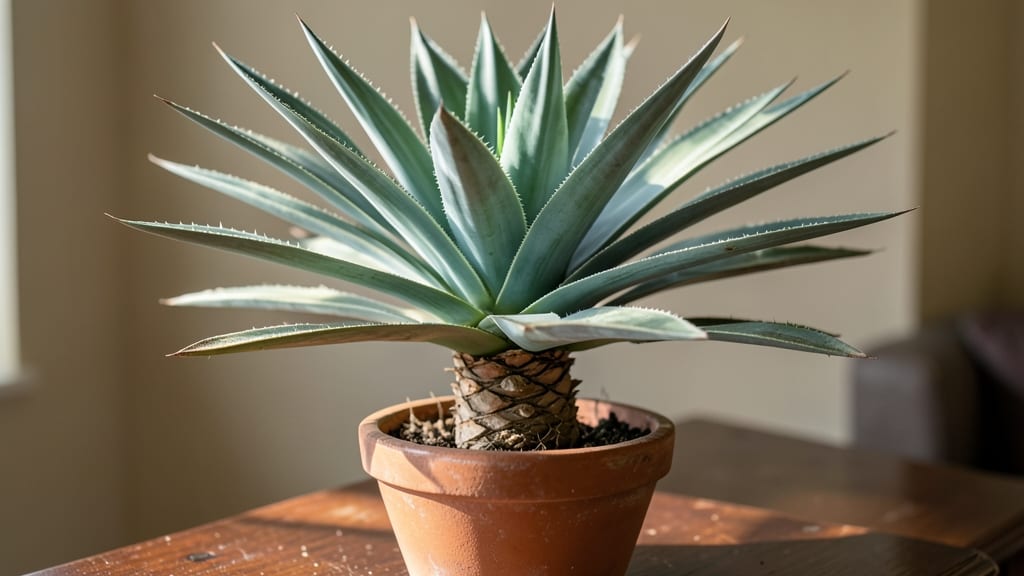
Ideal light requirements for yucca plants: sunlight needs explained
Yucca plants are sun worshippers at heart, craving bright, direct sunlight to fuel their striking foliage and iconic arching leaves. In their native arid environments, they bask under 6+ hours of daily sun, making them perfect for sunny gardens or containers.
Without enough light, their growth slows dramatically, and leaves may stretch weakly toward any available rays—a condition called etiolation.
For outdoor yuccas, full sun exposure (6+ hours) is ideal, especially in USDA Zones 5-10, where they thrive year-round. If you’re in a cooler climate like Zone 4 or 5, prioritize south-facing locations to maximize sunlight during shorter winter days.
Even partial shade (3-6 hours of sun) can work, but expect slower growth and less vibrant foliage.
Indoor yuccas face a bigger challenge since most homes lack direct sunlight. Place them near south- or west-facing windows where they can soak up bright indirect light. If your home has low natural light, supplement with grow lights to mimic outdoor conditions.
Without enough light, indoor yuccas often develop pale, leggy stems and sparse leaves—a clear sign they’re starving for sunlight.
Seasonal adjustments matter too. In summer months, yuccas can handle intense midday sun, but in high-heat zones (like Arizona or Texas), provide afternoon shade to prevent leaf scorch.
Conversely, in winter, yuccas in cooler climates may need extra protection from frost or icy winds, but still require as much light as possible.
| Condition | Outdoor Yucca | Indoor Yucca |
|---|---|---|
| Minimum Sunlight | 6+ hours (full sun) | 4-6 hours (bright indirect) |
| Best Window Placement | South or west exposure | South-facing window sill |
| Summer Adjustments | Afternoon shade in extreme heat | Rotate pot weekly for even light |
| Winter Care | Protect from frost; keep dry | Supplement with grow lights if needed |
| Signs of Too Little Light | Leggy growth, pale leaves | Stretched stems, sparse foliage |
To maximize light exposure, rotate your yucca’s pot every 2-4 weeks so all sides receive even sunlight. This prevents uneven growth and ensures the plant stays compact and symmetrical.
If your yucca is in a container, choose a light-colored pot to reflect heat and reduce stress during peak summer sun.
For outdoor yuccas, mulch around the base with gravel or coarse sand to improve drainage and reflect sunlight back to the roots. This mimics their natural desert habitat and encourages stronger growth.
Avoid organic mulches like wood chips, which can retain too much moisture and lead to root rot.
If you’re growing yucca in a high-altitude area (like Denver or Colorado Springs), sunlight is more intense due to thinner air. Here, yuccas may need partial afternoon shade to prevent leaf burn, especially during July and August when UV levels spike.
Monitor your plant closely and adjust placement as needed.
Remember, yuccas are drought-tolerant but not heat-tolerant in all conditions. While they love sunlight, overheating can stress them. If your yucca’s leaves start yellowing or crisping, it’s a sign of too much direct sun combined with poor watering practices.
Balance is key—provide plenty of light but protect from extreme heat stress.
For indoor growers, a south-facing window is your best bet, but if that’s not an option, a west-facing window with supplemental grow lights can work. Avoid east-facing windows, as morning sun alone won’t provide enough intensity for long-term yucca health.
If you notice your indoor yucca leaning toward the light, it’s time to rotate the pot or invest in a full-spectrum LED grow light.
Ideal light requirements for yucca plants: sunlight needs explained
Yucca plants are sun worshippers—they crave bright, direct light to maintain their striking, sword-like foliage. In their natural desert habitats, yuccas bask under 6 to 8 hours of intense sunlight daily.
Mimicking these conditions is key to keeping your plant thriving, whether in a sunny garden bed or a well-lit indoor space. Without enough light, yuccas become leggy, weak, and pale, losing their signature boldness.
For outdoor yuccas, a south-facing location is ideal, especially in cooler climates. In hotter regions, provide afternoon shade to prevent sunburn on tender new growth.
If you’re growing yuccas in containers, rotate them weekly to ensure even light exposure on all sides. This prevents uneven growth and keeps foliage symmetrical.
🌵 Yucca Light Requirements Summary
| Condition | Outdoor | Indoor |
|---|---|---|
| Minimum Sunlight | 6 hours | Bright indirect light |
| Optimal Sunlight | 8+ hours | South-facing window |
| Tolerates Partial Shade? | No (growth slows) | No (use grow lights) |
| Signs of Too Much Sun | Brown leaf tips | Yellowing leaves |
💡 Pro Tip: If your yucca is outdoors, monitor it closely in summer—afternoon shade can save it from heat stress.
Indoor yuccas need bright indirect light but can still handle direct morning sun. Avoid placing them near west-facing windows, where intense afternoon rays can scorch leaves. If your home lacks natural light, supplement with a grow light (more on this in the next section!).
Even in low-light conditions, yuccas will survive, but their growth will be stunted and weak, lacking the bold, upright structure they’re known for.
Seasonal adjustments are crucial. In spring and fall, yuccas thrive in full sun, but during summer’s peak heat, they may benefit from dappled shade, especially in hot, dry climates.
Watch for leaf curling or browning—these are red flags that your plant is struggling with heat stress or excessive sunlight. A simple fix? Move your yucca to a slightly shadier spot for a few weeks to recover.
For container-grown yuccas, ensure pots are placed where they’ll get consistent light exposure. Avoid moving them frequently, as sudden light changes can cause stress and leaf drop.
If you’re bringing an outdoor yucca inside for winter, acclimate it gradually over 7 to 10 days to prevent shock from the transition.
Remember, yuccas are drought-tolerant but light-dependent. If you’re unsure whether your space is bright enough, test it with a simple shadow test: Hold a piece of paper near your plant at noon.
If the shadow is small or nonexistent, your yucca is likely getting enough light. If the shadow is large or fuzzy, it’s time to relocate or add grow lights.