
Plants
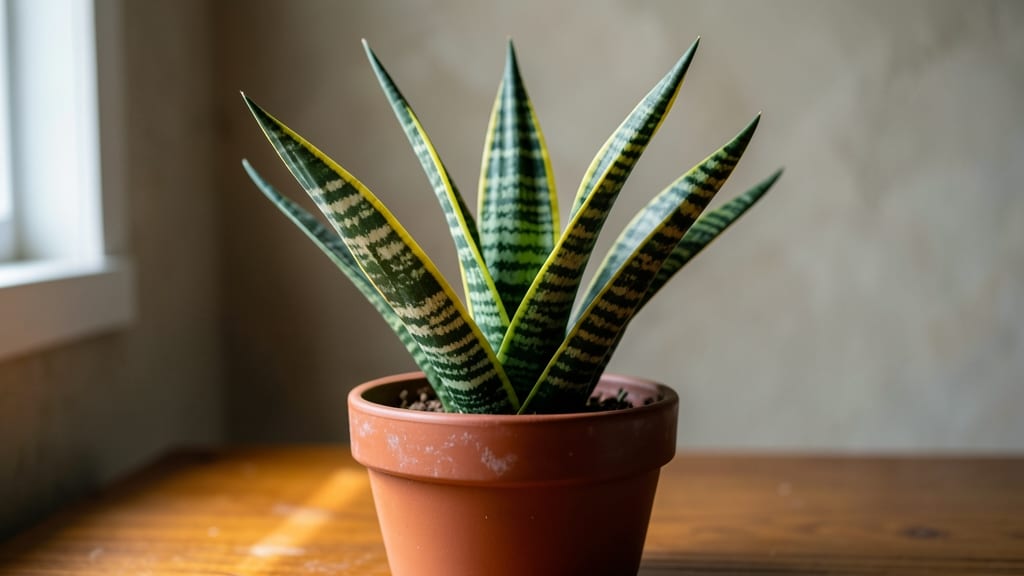
If you're wondering "how much light does a rattlesnake plant need", you're not alone—this is the #1 question that stumps even experienced plant parents. The rattlesnake plant 🌿 thrives in bright, indirect light, mimicking its natural understory habitat, but getting it wrong can mean dull leaves or crispy edges.
Too little light, and your plant stretches out desperately, searching for rays. Too much direct sun, and those gorgeous striped leaves burn like a sunburnt arm. The key is finding that sweet spot where your rattlesnake plant gets enough light to flourish without stress.
I’ve helped countless growers solve this puzzle, and the secret isn’t complicated—it’s about understanding your home’s light dynamics. Whether you’re dealing with a dim corner or a south-facing window, I’ll show you exactly how to position your rattlesnake plant for maximum vibrancy.
Let’s break down the ideal light setup, spot the warning signs, and keep those leaves looking like they just stepped out of a tropical paradise. Ready to unlock the perfect lighting for your plant?

Optimal light requirements for rattlesnake plant growth: bright indirect sunlight explained
Your rattlesnake plant (Calathea orbifolia) thrives in conditions that mimic its natural forest-floor habitat. Unlike sun-loving succulents, this beauty prefers bright indirect light—think dappled sunlight filtering through trees.
Too little light causes leggy growth and faded stripes, while too much direct sun scorches those delicate leaves. Let’s break down the perfect light setup for lush, vibrant foliage.
The ideal light range for a rattlesnake plant falls between 1000-2000 lux, which is roughly the brightness of a shady patio on a sunny day. This level ensures your plant gets enough energy for photosynthesis without risking leaf burn.
In nature, these plants grow under the canopy, where sunlight is diffused naturally. Recreating this indoors is key to keeping your plant happy.
If you’re unsure about lux levels, don’t worry! A simple rule of thumb is to place your rattlesnake plant 2-3 feet away from an east-facing window. East windows provide gentle morning sun, which is perfect for this plant.
South-facing windows can work too, but you’ll need to filter the light with sheer curtains to prevent harsh afternoon rays from damaging the leaves.
Here’s how to spot light-related stress in your rattlesnake plant:
| Condition | Signs | Solution |
|---|---|---|
| Too Little Light | Pale leaves, loss of striped pattern, leggy stems | Move closer to a bright window or use a grow light |
| Too Much Direct Sun | Brown or crispy leaf edges, bleached spots | Relocate to indirect light or add a sheer curtain |
| Perfect Light Balance | Deep green leaves with vibrant stripes, compact growth | Keep in bright indirect light, rotate occasionally for even growth |
Rotating your rattlesnake plant every 2-4 weeks ensures all sides get equal light exposure. This prevents the plant from leaning toward the light source, which can make it look lopsided or weak.
A simple quarter-turn every month keeps your plant growing straight and sturdy. Plus, it’s a great way to check for any hidden pests on the undersides of leaves!
If you’re growing your rattlesnake plant in a low-light room, consider supplementing with a LED grow light for 12-14 hours a day. Look for a light with a cool white spectrum (5000K-6500K), as this mimics natural daylight.
Place the light about 12-18 inches above the plant and adjust the height as the plant grows to avoid burning the leaves.
Another pro tip: Mist your rattlesnake plant’s leaves occasionally to simulate the humid conditions of its natural habitat. This helps the plant absorb light more efficiently, especially in dry indoor environments.
Just be sure to use room-temperature water and avoid letting water sit in the crown of the plant to prevent rot.
Seasonal changes can also affect your rattlesnake plant’s light needs. In winter, when natural light is weaker, you might need to move the plant closer to the window or extend the duration of artificial light.
Conversely, in summer, you may need to pull it back slightly from the window to avoid the intense midday sun.
Remember, every home’s lighting is unique. If your rattlesnake plant starts showing signs of stress, don’t hesitate to experiment with placement. A little trial and error will help you find the sweet spot for your specific setup.
With the right light, your rattlesnake plant will reward you with bold, striped leaves that are the envy of every plant lover!
🌿
Optimal light requirements for rattlesnake plant growth: bright indirect sunlight explained
The rattlesnake plant (Calathea orbifolia) thrives in bright indirect sunlight, mimicking its native understory habitat. Think of it like a forest floor plant—it needs dappled light, not harsh midday rays. Aim for 1000-2000 lux of light intensity, similar to what you’d find under a canopy of trees.
Direct sunlight, especially from south or west-facing windows, can scorch those delicate leaves, causing brown crispy edges. Meanwhile, too little light leads to leggy growth and faded stripes. The goal is to replicate the filtered light of its natural environment.
| Light Requirement | Specification | Ideal Placement |
|---|---|---|
| Light Intensity | 1000-2000 lux | 2-3 feet from east-facing window |
| Light Type | Bright indirect | Under sheer curtains or diffused light |
| Daily Light Hours | 4-6 hours | Morning sun + filtered afternoon light |
| Avoid | Direct midday sun | South/west windows without curtains |
Signs your rattlesnake plant isn’t getting enough light include pale, dull leaves and stems that stretch upward in search of more rays. On the flip side, brown leaf tips or crispy edges signal too much direct sun.
Rotate your plant every few weeks to ensure even growth and prevent it from leaning toward the light source.
If you notice the stripes on the leaves fading, it’s a clear cry for more light—but not direct sun. Try moving it closer to a window (but not in direct rays) or supplement with a grow light for 6-8 hours daily.
A simple LED bulb with a warm white spectrum works wonders for indoor plants.
For best results, place your rattlesnake plant near an east-facing window where it gets gentle morning light and softer afternoon rays. If your home lacks natural light, a north-facing window with a grow light can also work.
The key is consistency—avoid drastic light changes, as this plant prefers stability in its environment.
Pro tip: Use a light meter to check lux levels in your home. Most smartphones have apps that can measure this, helping you fine-tune the perfect spot. Your rattlesnake plant will reward you with bold, striped leaves that shine like a tropical jewel when the light is just right. 🌿