
Plants
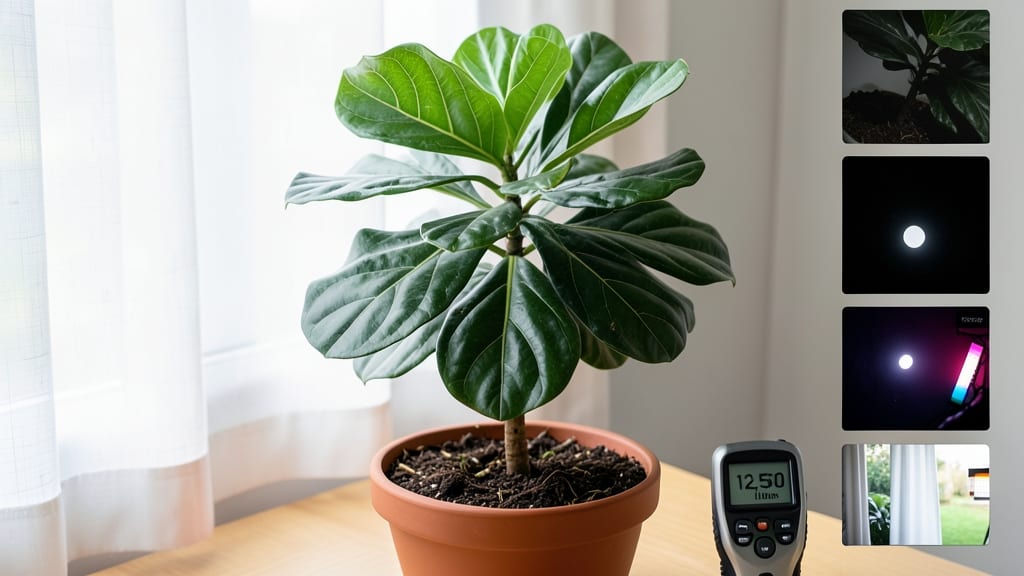
If your 🌿 ficus plant is struggling—drooping leaves, sparse growth, or sudden leaf drop—chances are, its light needs aren’t being met. The truth is, most people either overestimate or underestimate how much light a ficus actually needs, and that’s where the problem starts.
Ficus plants thrive in bright indirect sunlight, but they’re surprisingly adaptable. Unlike sun-loving succulents, these tropical trees can handle lower light conditions, though they’ll never reach their full potential without the right balance.
The key is finding that sweet spot where your ficus gets enough light to grow lushly without getting scorched by harsh rays.
In this guide, I’ll break down exactly how much light your ficus needs—whether you’re dealing with a Ficus elastica or a Ficus benjamina—and how to spot the signs when it’s not getting enough (or too much).
You’ll also learn practical tips for positioning your plant, even if your home doesn’t have ideal natural light.
Ready to transform your ficus from struggling to stunning? Let’s dive into the light secrets that’ll keep your plant happy and thriving for years to come.

Ideal light requirements for ficus plants: understanding bright indirect sunlight
Ficus plants—like the popular Ficus elastica (rubber plant) or Ficus benjamina—thrive in bright indirect sunlight, making them perfect for indoor spaces. Unlike sun-loving succulents, ficus plants cannot tolerate direct sunlight, which burns their leaves and stunts growth.
The key is finding that sweet spot where they get enough light to flourish but avoid harsh rays.
Most ficus varieties need 2-4 hours of bright, filtered light daily, ideally from an east-facing or north-facing window. If your home lacks natural light, don’t worry—ficus plants are surprisingly adaptable to lower light conditions, though growth may slow.
The goal is to mimic their natural understory habitat, where dappled sunlight filters through tree canopies.
too little light leads to leggy growth and pale leaves, while too much direct sun causes brown patches or crispy edges. Seasonal changes also matter—winter’s weaker light may require adjustments, like rotating your plant or supplementing with grow lights.| Light Condition | Ideal for Ficus | Signs of Issue | Solution |
|---|---|---|---|
| Bright Indirect Light | ✅ Best for growth | Healthy green leaves | East/west-facing windows, sheer curtains |
| Low Light | ⚠️ Tolerated but slows growth | Leggy stems, small leaves | Rotate plant, add grow light |
| Direct Sunlight | ❌ Harmful | Brown spots, crispy edges | Move to indirect light ASAP |
| Artificial Light | ✅ Good supplement | Even growth if balanced | LED grow bulbs, 12-14 hrs/day |
For Ficus elastica, aim for moderate to bright indirect light—this variety is slightly more tolerant of lower light than Ficus benjamina, which prefers a bit more brightness.
If your ficus starts developing yellow leaves or dropping them, it’s often a sign of light stress or overwatering (a common mistake when light needs aren’t met). Always check the soil moisture before watering—dry soil + low light = root rot risk.
Pro tip: Rotate your ficus every 2-3 weeks to ensure even growth. Plants lean toward light sources, so turning them helps maintain a balanced shape.
If you notice new growth reaching toward a window, it’s begging for more light—gradually introduce it to brighter conditions over 1-2 weeks to avoid shock.
In winter, when natural light dims, supplement with a 12-14 hour grow light if you notice stunted growth or pale leaves. A simple LED bulb (like a full-spectrum grow light) placed 1-2 feet away can work wonders.
Avoid placing your ficus near heating vents or drafty windows, as temperature fluctuations stress the plant.
Remember, ficus plants are forgiving—they’ll survive in less-than-ideal light, but they’ll thrive with the right conditions. Start by placing your plant near a bright, indirect light source, observe its response, and adjust as needed.
With the perfect light balance, your ficus will reward you with glossy leaves, sturdy stems, and years of lush growth.
🌿
Signs your ficus isn’t getting enough (or too much) light—and how to fix it
Your ficus plant might be silently screaming for help if its light conditions are off. One of the first signs of insufficient light is yellowing leaves, especially on the older ones. This happens when your ficus stretches toward the light, creating leggy growth with sparse foliage.
Even worse, brown leaf tips or crispy edges signal too much direct sunlight, which burns tender leaves like a summer scorcher.
Watch for new growth that looks pale or weak—this is a cry for more bright indirect light.
On the flip side, if your ficus drops leaves suddenly, it might be struggling with sudden light changes, like moving it from a shady corner to a sunny windowsill. Leaf drop can also happen when roots get too cold or dry, often linked to poor light exposure.
🚨 : callout warning 🚨
⚠️ Light Stress Warning Signs
Too Little Light: Leggy stems, sparse leaves, slow growth
Too Much Light: Brown leaf tips, crispy edges, leaf scorch
Sudden Changes: Leaf drop, wilting, yellow patches
Act fast! Adjust placement or use sheer curtains to diffuse harsh sunlight.
Fixing light issues starts with diagnosis. Hold your hand near your ficus—if you can’t see your shadow clearly, it’s likely getting too much direct light. For low-light spots, rotate your plant every few weeks so all sides get even exposure.
If your home lacks natural light, consider a grow light with a 12-hour daily cycle—LED bulbs (6,500K color temperature) are perfect for ficus plants.
For brown leaf tips, trim the damaged areas with clean pruning shears and move your ficus away from south- or west-facing windows. If your plant is stretching toward the light, it’s begging for a brighter spot.
Try placing it near an east-facing window or under a sheer curtain on a south-facing sill. Remember, ficus plants are flexible—they’ll adapt if you adjust their environment gradually.
Pro tip: Dust your ficus’s leaves every few weeks. Dust blocks light absorption, making your plant work harder to photosynthesize. A damp cloth or leaf shiner will keep those leaves bright and efficient.
With the right light balance, your ficus will reward you with glossy, vibrant foliage and steady growth.
Don’t let light stress turn your ficus into a sad, leggy shadow of its former self. With these fixes, you’ll have a thriving, leafy green giant in no time! 🌿